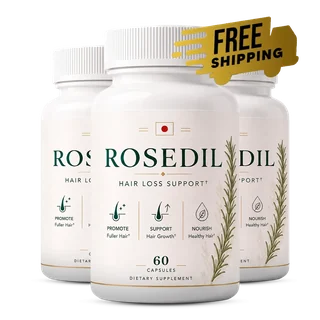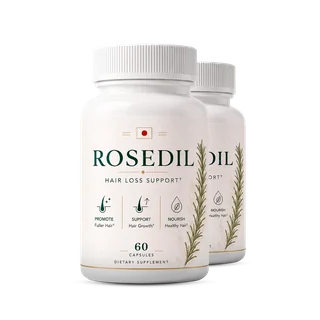
Rosedil Capsules and medications is a question for a pharmacist, and this page gives you the questions, not the answers. It lists the medicine types worth raising, links each to a panel ingredient and a source where one exists, and never suggests changing or stopping any medicine you take. Bring the bottle, the panel and a list of everything you use.
Can you take Rosedil Capsules with your medicines?
Only a pharmacist or physician who knows your medicines can answer that, and we cannot. NCCIH says some medicine and supplement interactions can be serious, and advises telling all your providers what you take.1
The owner's pack gives no interaction information for the capsules, and the label's only medical advice is its caution: do not exceed the recommended amount, and people with a known medical condition should consult a physician first. So the sections below work as a list of questions. Each one comes from a panel ingredient and a general source, and each is for you to put to someone who can see your whole picture.
What should you bring to the pharmacist?
Bring a complete list and the panel. A pharmacist can only check what they can see, and supplements are often left off lists.
- Every prescription medicine, with the amount and how often.
- Over-the-counter medicines, including pain and stomach products.
- Every supplement and multivitamin, with the nutrient amounts from its label.
- The Rosedil Capsules panel: vitamin C 157 mg, niacin 30 mg, vitamin B6 1.6 mg, biotin 4,620 mcg, vitamin B5 14 mg, calcium 11 mg, zinc 12 mg and horsetail extract 25 mg per two capsules.
- Any upcoming blood tests or surgery.
- Your conditions, including diabetes, liver disease, kidney stones and alcohol use.
Which medicines should you ask about, at a glance?
The medicine types below are the ones we would ask about, each tied to the panel line that prompts the question. This is a list of questions, not of interactions we have confirmed.
| Medicine type | Panel line | Question to ask |
|---|---|---|
| Diabetes medicines | Niacin 30 mg | Does niacin change how I should watch my blood sugar? |
| Blood pressure medicines | Niacin 30 mg | Does this niacin amount matter with my medicine? |
| Diuretics, lithium | Horsetail extract 25 mg | Does horsetail matter with my medicine? |
| Thyroid medicines and tests | Biotin 4,620 mcg | Will biotin affect my thyroid test? |
| Statins | Niacin 30 mg | Does niacin matter alongside my statin? |
| Antibiotics | Zinc 12 mg | Does zinc matter with my antibiotic? |
| Blood thinners | Whole panel | Does anything on this panel matter with it? |
Notice that several rows share the niacin line and the last row covers the whole panel. That is deliberate. The same panel can prompt different questions depending on what you take, and a pharmacist can answer all of them in one sitting if you bring the list. Print or copy the table and add your own medicines in a new column, with a blank for the answer, so the conversation ends with something written down.
What should you ask if you take diabetes medicines?
Ask whether the niacin on the panel changes anything about how you watch your blood sugar. NIH says high-dose nicotinic acid can raise blood glucose, so people taking diabetes drugs should monitor.2
The panel lists 30 mg of niacin per serving, and the label does not say which form it is, so whether the NIH statement applies is itself one of the questions. NIH ties the glucose effect to large amounts of nicotinic acid; very large intakes of 1,000-3,000 mg are the ones linked to impaired glucose tolerance.2 Do not change a diabetes medicine on your own because of anything on this page. Our niacin page has the numbers.
What should you ask if you take blood pressure medicines or a statin?
Ask whether the niacin on the panel matters alongside your medicine, and what to watch for. NIH links very large niacin amounts, 1,000-3,000 mg, to low blood pressure, among other effects.2
The panel amount is 30 mg, which is far from those figures, so we do not suggest a problem. Our source library does not say anything about niacin and statins, so we cannot report a statement from NIH on that pairing and we make none. That is exactly why it belongs on the pharmacist's list: when a source is silent, ask the person who can see your prescription.
What should you ask if you take a diuretic or lithium?
Ask whether horsetail matters with your medicine, because the panel lists 25 mg of horsetail extract. MedlinePlus lists interactions between horsetail and some medicines, and notes that horsetail has traditionally been used as a diuretic.3
We do not state which medicines those interactions involve beyond what MedlinePlus lists; check its page or ask the pharmacist, and mention both diuretics and lithium by name. MedlinePlus also advises caution in alcohol use disorder and low thiamine, and says horsetail products containing thiaminase are possibly unsafe.3 The label does not say whether the extract contains thiaminase, which is a question for the order desk. See horsetail for more.
What should you ask if you take thyroid medicines or have thyroid tests?
Ask your clinician to note that you take biotin before any thyroid test, and ask the lab how it handles biotin. NIH says high intakes of biotin can cause falsely high or low results in some lab tests, including thyroid tests and troponin.4
The panel lists 4,620 mcg of biotin per serving, which is 15,400% of the 30 mcg Daily Value; NIH sets no upper level for biotin.4 The concern is the test, not toxicity. We give no safe gap between your last serving and a test, so ask the clinician or lab for theirs. The biotin lab tests page builds a note to copy and hand over.
What should you ask if you take antibiotics or blood thinners?
Ask whether the zinc, or anything else on the panel, matters with them. We have no source in our library on antibiotics, zinc or blood thinners, so these are general questions and we state no interaction.
Do not guess from memory or from another website. A pharmacist can check the actual product and your actual medicine in a few minutes. Ask the same of every product on your list, since the question is whether the combination suits you, not whether any single item is good or bad. If surgery is planned, raise supplements well before the date, as NCCIH advises.1
What if you already take Rosedil Capsules and a medicine together?
Tell your prescriber or pharmacist today, bring the bottle, and keep taking your prescribed medicine as directed unless they tell you otherwise. This page never suggests changing a medicine, and a worry about a supplement is never a reason to skip a prescription.
Then ask the same questions as above, in the same order, and write down the answers. If you notice anything unwanted, such as a rash, stomach upset or flushing, report it to your clinician and see our side effects page for how to report to FDA.
Does "natural" mean a supplement is safe with medicines?
No. NCCIH says that "natural" does not mean safe, and that you should tell your providers everything you take.5 A plant extract such as horsetail can interact with medicines as readily as a vitamin can.
That is not a statement that these capsules do interact; it is a reason to ask. Our ingredients page lists each panel line, and the label page reads the bottle, including what it does not state.
What does a good pharmacist conversation sound like?
A good conversation starts with your list and ends with a written answer for each question. Ask one thing at a time, ask what to watch for, and ask when to come back.
You might say: "I am thinking about a supplement that lists niacin, zinc, biotin and horsetail extract. Here are the amounts and my medicines. Is there anything on this panel I should ask my prescriber about?" The safety page has a screener that builds a similar list, and the who it's for page lists who else should ask first.
Why are these questions phrased so carefully?
They are phrased as questions because a general page cannot know your medicines, your amounts or your history. A confident-sounding answer from a website would be a guess, and a guess about a medicine is the wrong kind of risk to take.
So each section names the panel line, gives the one fact a source supports, and stops there. Where a source in our library is silent, such as on statins, antibiotics and blood thinners, we say so and leave the answer to a pharmacist.
What is the next step?
Take the list to a pharmacist before you start, and let your answers decide. If you are still interested afterward, the order page shows the live price. The owner's list is in the pack, and you should confirm it at the live checkout, along with the live terms of the owner's 60-day guarantee.
The side effects page covers what NIH says about each ingredient on its own.
Questions people ask
Can I take Rosedil Capsules with diabetes medicine?
Ask your pharmacist or physician first. NIH says high-dose nicotinic acid can raise blood glucose, and Rosedil Capsules list 30 mg of niacin, so the question is worth asking.
Do Rosedil Capsules interact with blood pressure medicine?
We cannot say. NIH links very large niacin amounts to low blood pressure, which is far above the panel figure for Rosedil Capsules, so bring the panel to your pharmacist and ask.
Do Rosedil Capsules affect thyroid or heart blood tests?
They can. The panel lists 4,620 mcg of biotin, and NIH says high biotin intakes can give falsely high or low results in some tests, so tell the lab you take Rosedil Capsules.
Is it safe to take Rosedil Capsules with a diuretic or lithium?
We cannot say. MedlinePlus lists some medicine interactions for horsetail, so show the Rosedil Capsules panel to your pharmacist and ask about your specific medicine.
Sources for this page
- NCCIH: Some Medication-Supplement Interactions Can Be Serious. www.nccih.nih.gov
- NIH Office of Dietary Supplements: Niacin, Fact Sheet for Health Professionals. ods.od.nih.gov
- MedlinePlus: Horsetail. medlineplus.gov
- NIH Office of Dietary Supplements: Biotin, Fact Sheet for Health Professionals. ods.od.nih.gov
- NCCIH: Using Dietary Supplements Wisely. www.nccih.nih.gov
These statements have not been evaluated by the Food and Drug Administration. This product is not intended to diagnose, treat, cure, or prevent any disease. Safety: Rosedil Capsules are a dietary supplement, not a medicine. One serving (two capsules) lists 4,620 mcg of biotin, which can distort some lab tests (FDA), and 30 mg of niacin, close to NIH's 35 mg upper level for supplements. Ask your doctor or pharmacist before using them, especially if you are pregnant or nursing, under 18, have a medical condition or take medicine, and tell any lab you take biotin. Take no more than the label says, keep the bottle away from children, and report problems to FDA MedWatch. Rosedil is an independently run information site about Rosedil Capsules; the owner states it is the Official U.S. Rosedil shop, and we have not verified that. It is not the maker. We may earn money when you order through links marked as sponsored. The seller sets prices, shipping and refund terms; the prices here are the owner's list, so confirm at the live checkout.