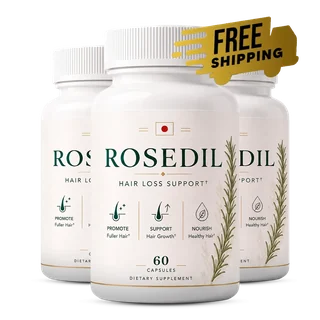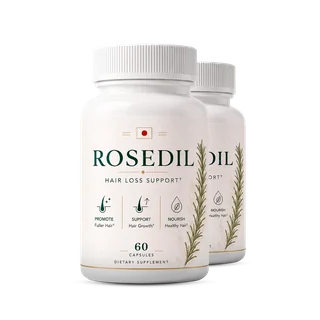
If you are pregnant, trying to become pregnant or breastfeeding, ask your clinician before using Rosedil Capsules. The label itself says pregnant or nursing mothers should consult a physician before using this or any dietary supplement, and NCCIH notes that many supplements have not been tested in pregnancy. This post lays out what the label says, what the sources say, and what we cannot tell you.
Can you take Rosedil Capsules while pregnant or breastfeeding?
We cannot say yes, and we do not say no; the answer has to come from your own clinician. The caution printed on the label reads that pregnant or nursing mothers, children under 18 and people with a known medical condition should consult a physician before using this or any dietary supplement.
That is the label's own instruction, and we repeat it without adding to it. No study of the finished capsules in pregnancy is cited in the owner's pack, and we found none. We give no opinion on whether the capsules suit any pregnancy or any stage of breastfeeding, because the sources in our library do not allow one. Our who it's for page lists the other groups who should ask first.
What does NCCIH say about supplements in pregnancy?
NCCIH says many dietary supplements have not been tested in pregnant women or children, and that "natural" does not mean safe.1 It advises telling all of your health care providers about every supplement you take.
That general point is the main reason we stop at "ask first." A lack of testing does not mean harm, and it does not mean the opposite; it means the evidence is missing. NCCIH also says to raise supplements with providers well before surgery, which is a related habit worth keeping: your clinician should have the full list at every visit.
What are the NIH upper levels for B6, zinc and niacin?
NIH publishes upper levels for adults, and the table shows them beside the Rosedil label amounts. The levels are for general adults only; pregnancy and breastfeeding have their own reference values that we do not state, because they are outside the sources we use.
| Nutrient | Per serving on the label | NIH adult upper level (general adults) |
|---|---|---|
| Vitamin B6 (pyridoxine) | 1.6 mg | 100 mg a day2 |
| Zinc (as zinc oxide) | 12 mg | 40 mg a day3 |
| Niacin | 30 mg | 35 mg a day from supplements and fortified foods4 |
Two things follow from the table. First, an upper level covers everything you take in, so a prenatal vitamin or a second supplement adds to the total. Second, the numbers do not tell you whether the capsules suit pregnancy, because the figures are for adults generally and do not address pregnancy. The niacin line sits closest to its adult limit, and NIH notes that its upper level does not apply to people taking niacin under medical supervision. Our niacin and zinc pages explain each in more detail.
What else is in the capsules that you might ask about?
The panel lists eight active lines, and the whole product should go to your clinician, not just the three above. The others are vitamin C at 157 mg, vitamin B5 at 14 mg, calcium at 11 mg, biotin at 4,620 mcg and horsetail extract at 25 mg.
Horsetail is the one plant ingredient. It has no Daily Value, and the label does not say how the extract was made. The other ingredients are microcrystalline cellulose, gelatin for the capsule, silicon dioxide, magnesium stearate and titanium dioxide. The label's front prints hair words such as “HAIR LOSS SUPPORT†”; FDA has not evaluated them, and we make no claim about hair. Our ingredients page explains every line.
How should you raise it with your clinician?
Bring the bottle or a photo of the panel and a short list. A prepared list makes the visit quicker and the answer more specific.
- The product name: Rosedil Capsules, a dietary supplement.
- The amounts per serving of two capsules, from the label image.
- The label directions: two capsules daily with an 8 oz. glass of water.
- Every other supplement, prenatal vitamin and medicine you take.
- Any lab tests coming up; the biotin line can affect some results.
Never change or stop a prescribed medicine on your own because of a supplement. NCCIH also says some medicine and supplement interactions can be serious, so the full list matters. If you want to bring the contacts for the seller, the owner's pack gives +1 (302) 200-3480 for orders and questions; the order desk can read you the label, but it is not a source of medical advice.
What if you already took some?
If you have already used Rosedil Capsules and then learned you are pregnant, or you are nursing and unsure, call your clinician or pharmacist and tell them what you took and for how long. We cannot say what any amount means for any one person.
If you have a health problem you think is linked to a supplement, FDA runs a program for reporting adverse events and product problems,5 and your clinician can advise you on it. The owner's pack describes a 60-day money-back guarantee (sales page; confirm the live policy), and it does not say when the 60 days start or whether opened bottles qualify, so confirm the terms before you pay. If you decide to look at the offer after talking to your clinician, you can see the live checkout; the owner's list shows 2 bottles at $79 each, to confirm there.
Questions people ask
Are Rosedil Capsules okay in pregnancy?
We cannot say, and we do not claim they are. The label advises pregnant or nursing mothers to consult a physician before using Rosedil Capsules or any supplement.
Can I use Rosedil Capsules while breastfeeding?
Ask your clinician first. No study of Rosedil Capsules in breastfeeding is cited in the owner's pack, so the label's caution is the guide.
Do the NIH upper levels apply to Rosedil Capsules in pregnancy?
No, not directly. The NIH levels we list are for general adults, and pregnancy has its own reference values, so ask your clinician about Rosedil Capsules.
Should I tell my clinician I take Rosedil Capsules if I am trying to conceive?
Yes. Tell your clinician about Rosedil Capsules and every other supplement, as NCCIH advises, and bring the label so they can read the amounts.
Sources for this page
- NCCIH: Using Dietary Supplements Wisely. www.nccih.nih.gov
- NIH Office of Dietary Supplements: Vitamin B6, Fact Sheet for Health Professionals. ods.od.nih.gov
- NIH Office of Dietary Supplements: Zinc, Fact Sheet for Health Professionals. ods.od.nih.gov
- NIH Office of Dietary Supplements: Niacin, Fact Sheet for Health Professionals. ods.od.nih.gov
- FDA: MedWatch, the FDA Safety Information and Adverse Event Reporting Program. www.fda.gov
These statements have not been evaluated by the Food and Drug Administration. This product is not intended to diagnose, treat, cure, or prevent any disease. Safety: Rosedil Capsules are a dietary supplement, not a medicine. One serving (two capsules) lists 4,620 mcg of biotin, which can distort some lab tests (FDA), and 30 mg of niacin, close to NIH's 35 mg upper level for supplements. Ask your doctor or pharmacist before using them, especially if you are pregnant or nursing, under 18, have a medical condition or take medicine, and tell any lab you take biotin. Take no more than the label says, keep the bottle away from children, and report problems to FDA MedWatch. Rosedil is an independently run information site about Rosedil Capsules; the owner states it is the Official U.S. Rosedil shop, and we have not verified that. It is not the maker. We may earn money when you order through links marked as sponsored. The seller sets prices, shipping and refund terms; the prices here are the owner's list, so confirm at the live checkout.