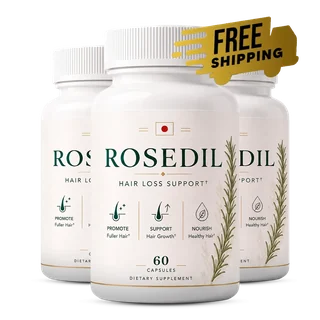
Rosedil Capsules and blood pressure medication should be discussed with a pharmacist or clinician before the first capsule, because some medicine-supplement combinations can be serious. The label image lists niacin and a horsetail extract, and both have cautions in NIH and MedlinePlus pages. This post gives you the facts and the questions to bring, and it never suggests changing a medicine.
Can you take Rosedil Capsules with blood pressure medication?
We cannot answer that for you, and no source we cite can either. The question belongs to your pharmacist or prescriber, who know your medicine, your dose and your health history.
NCCIH says some medication-supplement interactions can be serious and that you should tell all your providers what you take.1 The label image carries a similar caution: individuals with a known medical condition should consult a physician before using this or any dietary supplement. Never stop, skip or change a prescribed medicine because of anything you read here. Our medications page lists the other medicine questions worth raising.
What in Rosedil Capsules is worth mentioning to your pharmacist?
Two panel lines deserve a mention: horsetail extract and niacin. The others are covered on our ingredients page, but these two have specific cautions tied to blood pressure or to fluid.
| Panel line (per two capsules) | Amount | Why to mention it |
|---|---|---|
| Horsetail (Equisetum arvense) Extract | 25 mg, no Daily Value | Traditionally used as a diuretic |
| Vitamin B3 (as niacin) | 30 mg, 188% DV | Flushing; very high doses linked to low blood pressure |
Bring the whole panel to the pharmacy, not only these two lines. A pharmacist can read amounts, other ingredients and your own medicine list together.
Why does horsetail matter if you take medicine for blood pressure?
Horsetail matters because MedlinePlus describes it as traditionally used as a diuretic and lists interactions with some medicines.2 A diuretic is a substance that increases urine output, and some blood pressure medicines work in a similar way, so a pharmacist will want to know about the combination.
That is a reason to ask, not a finding about this product. The label shows 25 mg of an extract, and no study of the finished capsules is cited in the owner's pack. MedlinePlus also says horsetail products containing thiaminase are possibly unsafe, because thiaminase breaks down thiamine, with extra caution in alcohol use disorder and low thiamine.2 Our horsetail page goes through what the panel does and does not tell you.
Does the niacin in Rosedil Capsules affect blood pressure?
We cannot say it does. The label lists 30 mg of niacin per serving, and NIH describes low blood pressure among effects linked to very high doses of 1,000 to 3,000 mg, which is far above this amount.3
NIH also says 30 to 50 mg or more of nicotinic acid typically causes flushing, and that the upper level from supplements and fortified foods is 35 mg a day (not for people taking niacin under medical supervision).3 The label says only "as niacin," so the form is unconfirmed. If you already take another niacin-containing product, add the amounts and show the total to your pharmacist. Our niacin page has the arithmetic.
What should you ask before starting?
Ask a short, specific set of questions and write the answers down. A pharmacist can answer most of them in one visit, and it takes less time than it seems.
- Does anything in this panel interact with my blood pressure medicine, or with any other medicine I take?
- Should I be careful with horsetail, given what I take and my kidney or liver history?
- Is there anything about flushing or dizziness I should watch for?
- Should I tell the clinician who reads my blood tests that the panel lists biotin? (Our biotin lab tests page explains why.)
- What should I do if I notice a new symptom?
NCCIH also advises telling providers everything you take, and "natural" does not mean safe.4 That includes vitamins, herbal products and anything you buy without a prescription.
What if you notice something after starting?
Contact your pharmacist or clinician and tell them what you take. Do not adjust a prescribed medicine on your own, and do not take more capsules than the label says. The label's directions are two capsules daily with an 8 oz. glass of water, and that is the only amount we discuss.
You can also report a product problem to FDA through its MedWatch system.5 Our side effects page lists the cautions from the label and from NIH.
What can we not tell you?
We cannot tell you how these capsules interact with any specific medicine, because no interaction study of the finished product is cited. The owner's pack does not name a maker beyond the label's "distributed by" line, and nothing in it addresses blood pressure.
We also cannot judge your dose, your condition or your timing. Those belong to the person who prescribed your medicine. If you want the label read line by line, start with the supplement facts page.
Where does the price list fit in?
It fits after the medicine question, not before. The owner's list shows 2 bottles at $79 each ($158 total), 3 bottles at $69 each ($207) and 6 bottles at $49 each ($294), and you should confirm these at the live checkout. A larger pack lasts longer, so an answer from your pharmacist is worth having before you commit to one. If you decide to continue, the order page shows the live terms.
Questions people ask
Are Rosedil Capsules safe with blood pressure medication?
We cannot call any supplement safe for you, and nothing we cite addresses this combination. Ask your pharmacist about Rosedil Capsules before taking them with any prescribed medicine.
Do Rosedil Capsules contain a diuretic?
The label lists a horsetail extract at 25 mg, and MedlinePlus says horsetail is traditionally used as a diuretic. Whether Rosedil Capsules act that way is not something we can say.
Do Rosedil Capsules change blood pressure?
We make no such claim. NIH links low blood pressure to very high niacin doses of 1,000 to 3,000 mg, while Rosedil Capsules list 30 mg per serving.
Should I tell my doctor I take Rosedil Capsules?
Yes. NCCIH says to tell all your providers what you take, and that includes Rosedil Capsules, with the panel in hand.
Sources for this page
- NCCIH: Some Medication-Supplement Interactions Can Be Serious. www.nccih.nih.gov
- MedlinePlus: Horsetail. medlineplus.gov
- NIH Office of Dietary Supplements: Niacin, Fact Sheet for Health Professionals. ods.od.nih.gov
- NCCIH: Using Dietary Supplements Wisely. www.nccih.nih.gov
- FDA: MedWatch, the FDA Safety Information and Adverse Event Reporting Program. www.fda.gov
These statements have not been evaluated by the Food and Drug Administration. This product is not intended to diagnose, treat, cure, or prevent any disease. Safety: Rosedil Capsules are a dietary supplement, not a medicine. One serving (two capsules) lists 4,620 mcg of biotin, which can distort some lab tests (FDA), and 30 mg of niacin, close to NIH's 35 mg upper level for supplements. Ask your doctor or pharmacist before using them, especially if you are pregnant or nursing, under 18, have a medical condition or take medicine, and tell any lab you take biotin. Take no more than the label says, keep the bottle away from children, and report problems to FDA MedWatch. Rosedil is an independently run information site about Rosedil Capsules; the owner states it is the Official U.S. Rosedil shop, and we have not verified that. It is not the maker. We may earn money when you order through links marked as sponsored. The seller sets prices, shipping and refund terms; the prices here are the owner's list, so confirm at the live checkout.